
Horse Meat Consumption 🐎: History, Reasons, and Ethical Slaughter
Horse meat: eaten by ancestors & indigenous? Discover economic motives, nutritional perks, slaughter ethics & global controversies. History uncovered! (consumption)
✍️ Autor: André Nascimento
3/6/20262 min ler
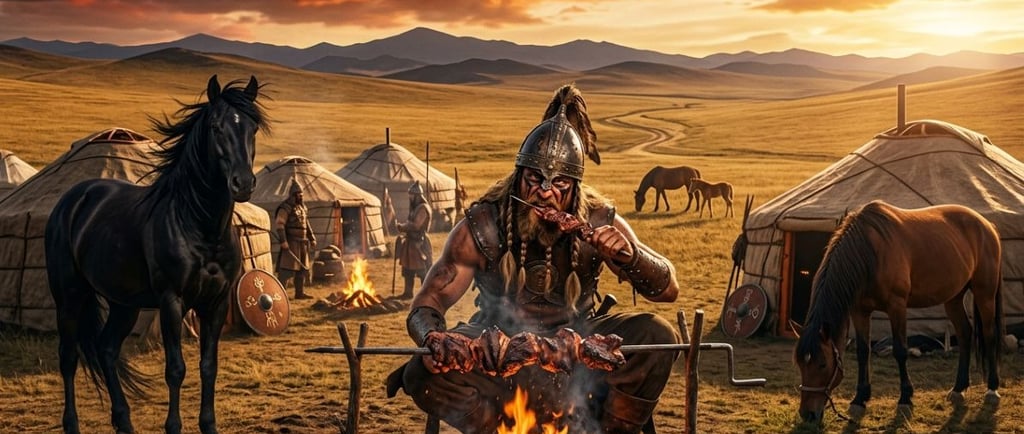

Why do some cultures eat horse meat? From ancestors to indigenous peoples, explore cultural reasons, nutrition, slaughter methods, and modern debates impartially.
Ancestral History of Consumption 🏺
From Nomads to Ancient Civilizations
Paleolithic ancestors hunted horses in Europe 30,000 years ago, as shown in Lascaux cave paintings. 🖼️ Romans ate it in rituals; Central Asian Huns and Mongols saw it as noble warrior food. In the Americas, post-Spanish colonization, indigenous groups like Comanches and Plains tribes (Lakota, Cheyenne) used horses for meat during harsh winters—documented in Lewis and Clark journals.
Indigenous Peoples and Horse Meat 🪶
Post-Colonial Adoption in the Americas
Tribes sacrificed horses in famine times, valuing the tough, fatty meat for quick calories. 📜 In Brazil, Guarani hunted wild game, but Andean groups (e.g., Mapuches) integrated equines from Jesuits into ritual feasts. It wasn't central but practical in scarcity.
Economic Reasons for Choice 💰
Cost-Benefit in Consumer Countries
In Europe (France, Italy, Belgium), retired workhorses become affordable meat—20-30% cheaper than beef. 🛒 In Asia (China, Kazakhstan), excess racing or labor herds justify slaughter. Nutritionally superior: 100g offers 21g protein, heme iron (better absorbed), less saturated fat than traditional red meat.
Confirmed Nutritional Benefits 🥗
Nutrient-Rich Profile
Compared to beef, horse meat has 2x iron (3.5mg/100g), B12, and oleic acid (heart-healthy). FAO studies highlight its postpartum use in Asia for muscle recovery. Low cholesterol (62mg/100g) appeals to athletes and seniors.
Slaughter Methods and Welfare 🛠️
Regulated Modern Practices
Certified slaughterhouses (EU's Regulation 1099/2009) use captive bolt pistols for instant stunning, followed by bleeding—zero pain if done right. Some Asian sites use CO2 for humane euthanasia. Criticisms target stressful transport; France bans pregnant mare slaughter.
Global Ethical Controversies ⚖️
Cultural Taboo vs. Sustainability
In Western nations, horses as "partners" (not livestock) spark rejection—70% of Brazilians view it as immoral (IBGE poll). Advocates argue: regulated slaughter cuts abandonment (thousands euthanized yearly). Sustainable: emits 50% less methane than cows.
Current Worldwide Consumption 🌎
Leaders and Trends
China eats 1.5M tons/year; France, 18kg per capita. USA exports to Asia/Japan (raw basashi sushi). Brazil imports none but sees clandestine use in North/Northeast—ANVISA fights adulteration.
Alternatives and Byproducts 🧪
Beyond Meat: Gelatin and Cosmetics
Hides make collagen for beauty products; bones become fertilizers. In Italy, horse salumi sausages blend with beef for unique flavor. Vegans criticize, but producers tout zero-waste cycles.
Positive Environmental Impact 🌿
Lower Ecological Footprint
Horses on natural pastures need less feed than confined cattle—30% less water/acre. In Mongolia's deserts, nomadic herds are carbon-neutral.
Public Health and Risks 🤒
Parasites and Regulation
Low risk with inspection: less salmonella than poultry. However, drugs like phenylbutazone require 6-month pre-slaughter quarantine in EU. Raw dishes (French tartare) need freezing against Trichinella.
Future of Horse Meat Consumption 🚀
Trends and Legal Debates
With climate crisis, horse meat gains as "sustainable"—Austria considers legalization. USA upholds human consumption ban since 2007, but lobbies grow. Brazil eyes indirect exports via hides.
Conclusion Reflective 🤔
Horse meat consumption mirrors cultural choices: vital for ancestors and indigenous survival, now an ethical option if regulated. 🐎🥩 Balances nutrition, economy, and animal welfare—make informed decisions respecting traditions without imposition.
Reliable Sources 📚:
FAO - "Horse Meat Production" (2023)
EFSA - Equine Welfare Reports
Journal of Ethnobiology - Indigenous American Consumption
IBGE Brazil - Food Surveys
EU Regulation 1099/2009 Slaughter
Contato
Apoio e dicas sobre saúde mental.
Redes
+55 11980442159
© 2025. All rights reserved.