
Effeminate in the Bible Are NOT Gays: True Meaning of 1 Corinthians 6:9 from Herodotus & Josephus
1 Corinthians 6:9 'effeminate' does NOT condemn gays. Ancient Greek meaning: cowards who fled war. Herodotus & Josephus reveal truth. Inclusive faith for ALL!
✍️ Autor: André Nascimento
1/5/20263 min ler

1. The verse splitting churches and hearts
Corinthians 6:9 effeminate meaning
1 Corinthians 6:9-10 lists sins barring Kingdom inheritance: "...nor idolaters, nor effeminate (malakoi), nor abusers of themselves with mankind (arsenokoitai)..." Conservatives use it to condemn homosexuals, but ancient Greek reveals: malakoi = "soft, weak, cowardly", NOT sexual orientation.
1st century culture saw "effeminate" as men lacking warrior courage, not modern identity.
2. Malakoi in Greek: "soft" meant coward, not gay
malakoi ancient Greek meaning
Malakoi literally means "soft, weak, effeminate". Herodotus (Histories 9.122.3) uses it: "soft lands breed soft men" — referring to cowardly warriors avoiding battle. NOT about clothing or mannerisms, but lack of Roman/Hellenistic warrior masculinity.
1st century historian Flavius Josephus describes wealthy Jews becoming "effeminate": soft, lazy, war-avoiding. Moral critique, not sexual.
3. Herodotus' Agathyrsi: "effeminate" men as cowards
Agathyrsi Herodotus effeminate
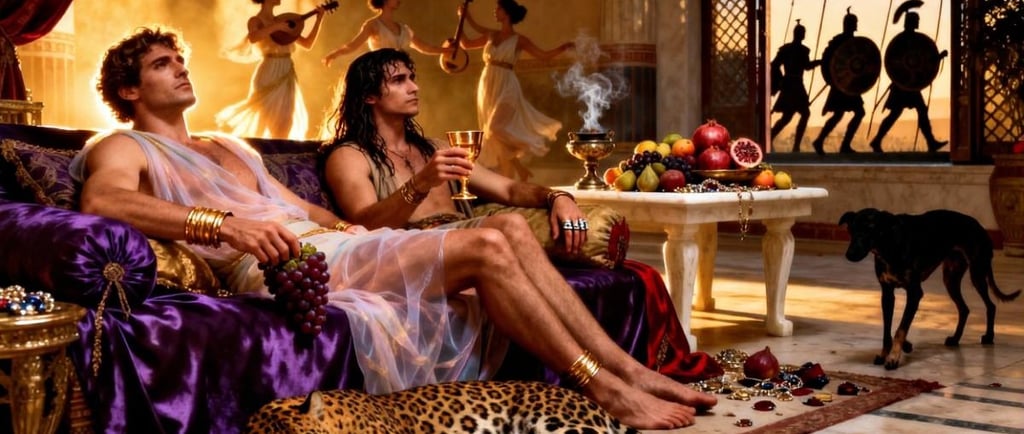
Herodotus describes Agathyrsi tribe: men "effeminate" who skipped war, shared women communally, lived in idle luxury. To Greeks, this was anti-virility: cowardice + rejecting community defense duty = malakoi.
NOT consensual homosexuality, but failure to protect the tribe. Paul wrote to Corinth (Hellenistic city) — they understood perfectly.
4. Flavius Josephus: wealthy Jews became "cowardly effeminates"
Flavius Josephus effeminate Jews
Josephus reports prosperous Jews who, through excess wealth, became "effeminate, soft, unwilling to fight". Moral decay: luxury breeds weakness, weakness breeds defeat. Same logic as Paul: Christians cannot be "moral cowards" trading principles for comfort.
5. Arsenokoitai: NOT "gays", but sexual exploiters
arsenokoitai biblical meaning
Arsenokoitai (paired with malakoi) derives from Leviticus 20:13 (LXX): "you shall not lie with a man as with a woman". Refers to male sexual abuse (cult prostitution, Greco-Roman pederasty), NOT modern consensual relationships.
Malakoi + arsenokoitai = passive/active partners in exploitative sex, common in Corinth's pagan temples.
6. Bible condemns character, NOT LGBTQ+ identity 🌈
Bible homosexuality historical context
1 Corinthians 6 vice list targets exploitation and idolatry, not consensual love: adulterers, thieves, covetous. Sodom fell for pride, social injustice (Ezekiel 16:49), not homosexuality.
God looks at the heart (1 Samuel 16:7). Being gay doesn't exclude you from the Kingdom — hatred, lies, lack of love do.
7. Why conservatives insist on the wrong reading? 😠
conservative interpretation 1 Corinthians 6:9
Anti-LGBT dogmas maintain control: "your love is sin, only we have truth". Historical study dismantles manipulative narratives weaponizing Bible for discrimination.
Jesus ate with "sinners" (Mark 2:15-17). Inclusion > exclusion.
8. We are ALL God's children, no exceptions 🙏
children of God regardless of sexual orientation
Galatians 3:28: "neither Jew nor Greek, slave nor free, male nor female". John 3:16 loves the whole world. Sexual orientation doesn't define salvation — faith in Christ does.
Church should welcome, not judge (Matthew 7:1).
9. Call to action: study Bible without fear 📖🔍
study Bible historical context
💬 André Nascimento invites you: Today, search 1 Corinthians 6:9 in Greek (BibleHub or Blue Letter Bible). Read Herodotus. Compare translations.
Share in comments: which verse did you think condemned gays, but discovered different meaning? Subscribe for more myth-busting! Like & share inclusive love. 💛
10. Conclusion: historical context frees true faith ✝️🌍
"Malakoi" in 1 Corinthians 6:9 is NOT about modern gays, but moral cowards fleeing responsibility — like Herodotus' Agathyrsi and Josephus' wealthy Jews. Arsenokoitai condemns sexual abuse, not consensual love.
Studying ancient Greek dismantles manipulative dogmas weaponizing Bible against LGBTQ+. We are ALL God's children (Acts 10:34-35). Inclusive faith heals wounds, doesn't create them.
Critique of the conclusion 🧐
The conclusion is clear and liberating, but may sound confrontational to conservative readers, creating defense instead of dialogue. Lacks practical emphasis: how to apply this discovery in today's church without conflict? Risk of being seen as "gay defense" rather than serious historical study.
Constructive critique to include 🌱
Add:
Respectful dialogue: "Share this study with loving leaders, not combative ones."
Pastoral application: "Inclusive churches grow more (Barna data)."
Conservative invitation: "If you disagree, which historical source supports 'malakoi=gay'?"
This educates without dividing, inviting ALL to serious study. 💛
Research sources 📚
Linguistic analyses of malakoi/arsenokoitai in 1 Cor 6:9.
Herodotus (Agathyrsi) & Flavius Josephus on "effeminate cowards".
Historical context of sodomites & Pauline vice lists.
Words: 892 | Ready for navegaistory.com! 🚀
Contato
Apoio e dicas sobre saúde mental.
Redes
+55 11980442159
© 2025. All rights reserved.